
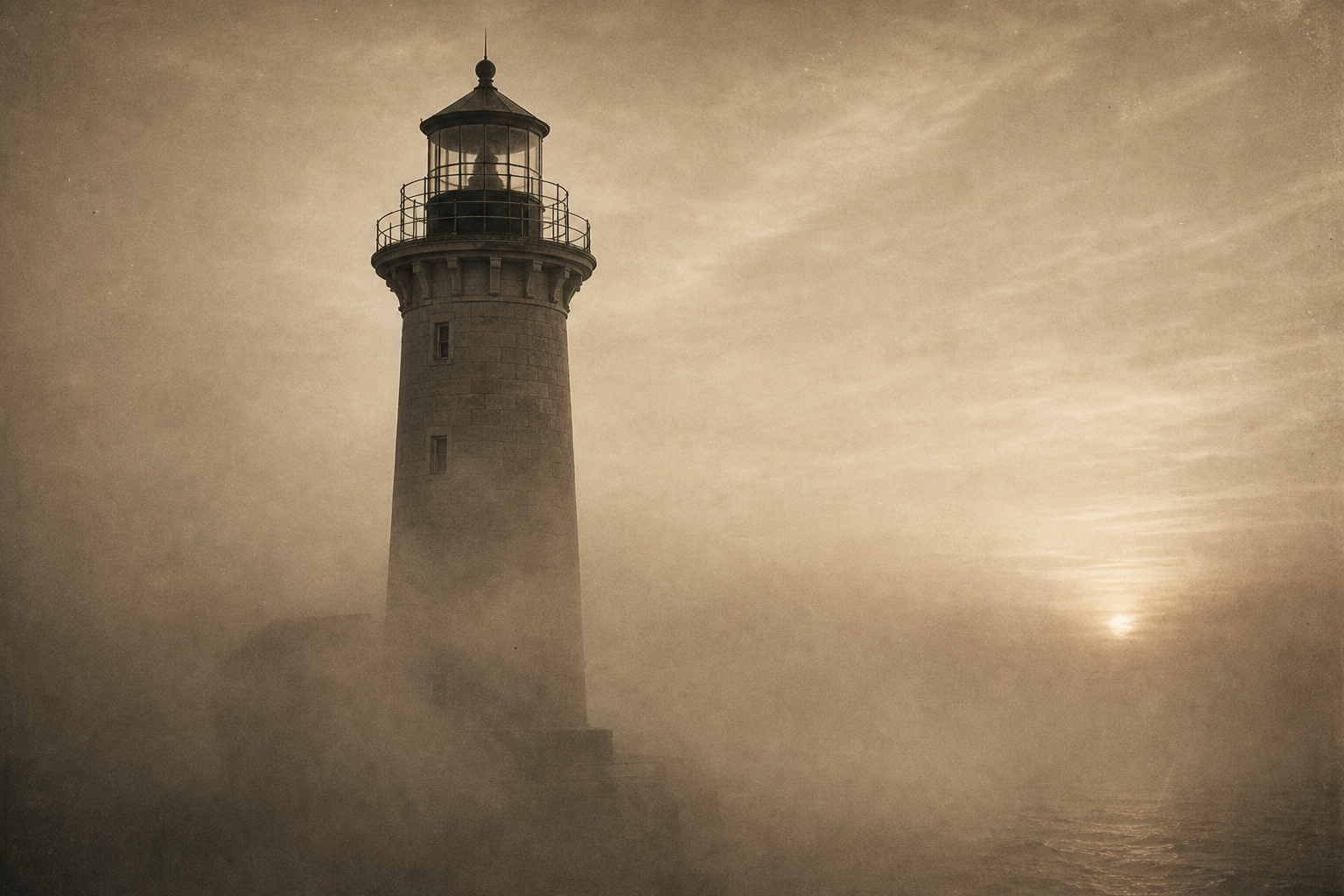
Sentinel in Fog
1890sMorning vapor erases the shoreline while the upper gallery and lantern remain the only clear geometry at sea.
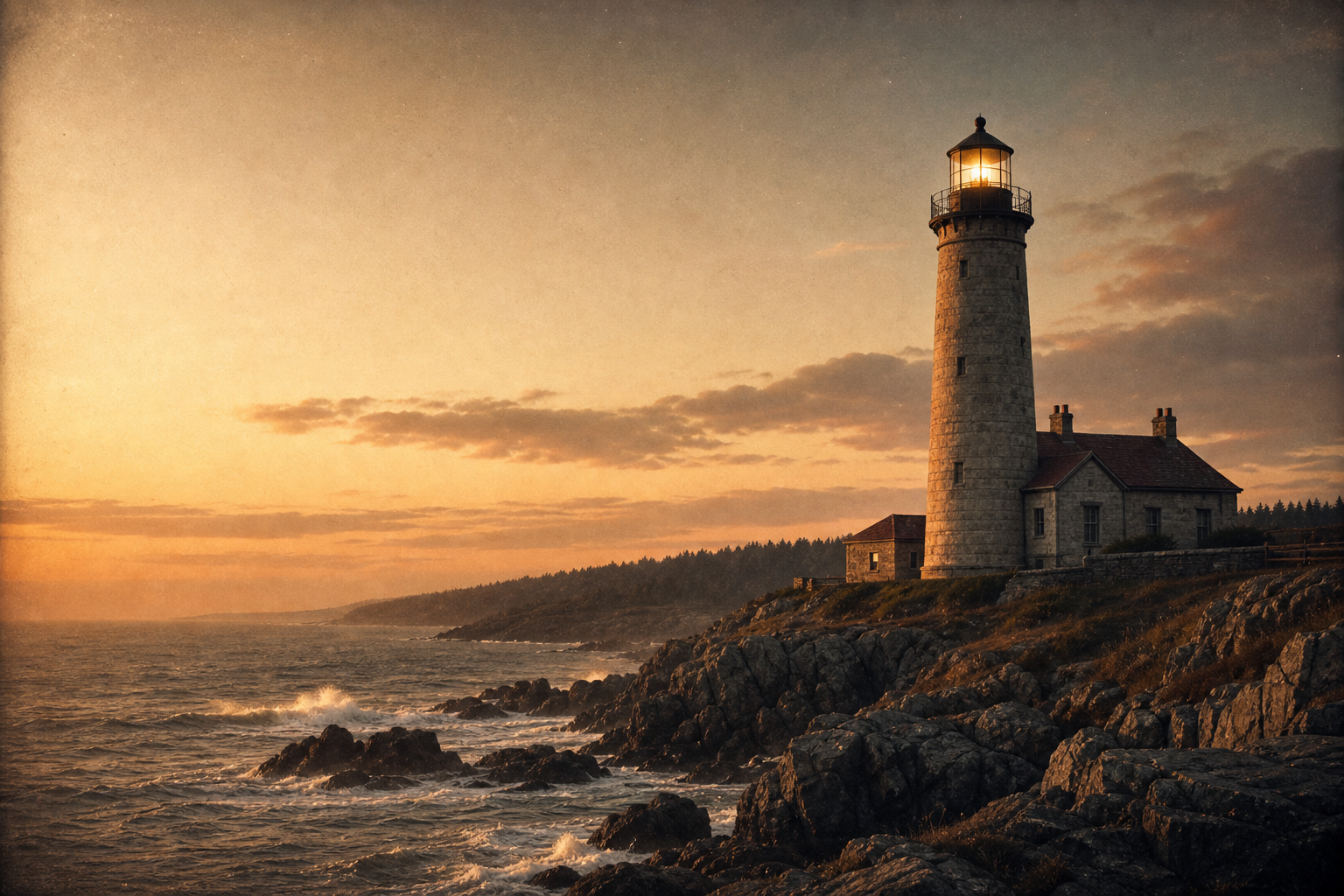
Northern Coast Maritime Heritage Archive
A story-rich reference gathering archive photos, keeper memories, and a mapped overview of preserved towers along the northern shoreline.
Regional context
This overview marks the key shifts in navigation, keeper life, and preservation that frame the archives you are about to explore.
1821
First permanent stone beacon is commissioned at Windcliff Point to guide timber and grain traffic.
1864
A chain of fog-signal stations links the outer shoals, cutting winter wreck reports across the district.
1912
Kerosene lantern rooms are upgraded to optic systems, reshaping keeper routines and maintenance logs.
1978
Regional heritage status protects surviving towers, launching restoration and public access programs.
Photographic Record
Five preserved moments from the northern coast, arranged as a curated visual sequence rather than a catalog.
Morning vapor erases the shoreline while the upper gallery and lantern remain the only clear geometry at sea.
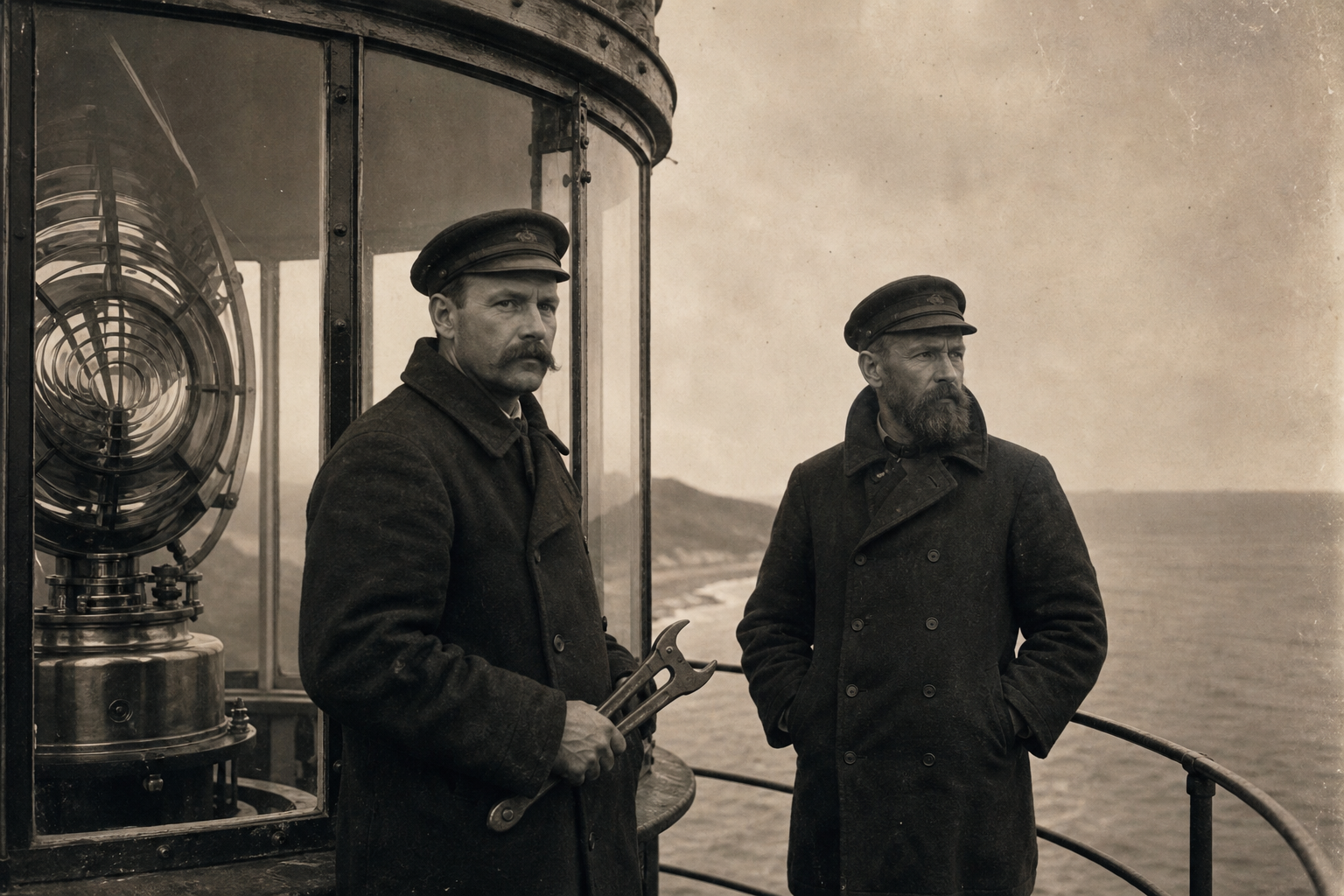
Two keepers pause beside the lens housing before the evening trim and ignition routine.
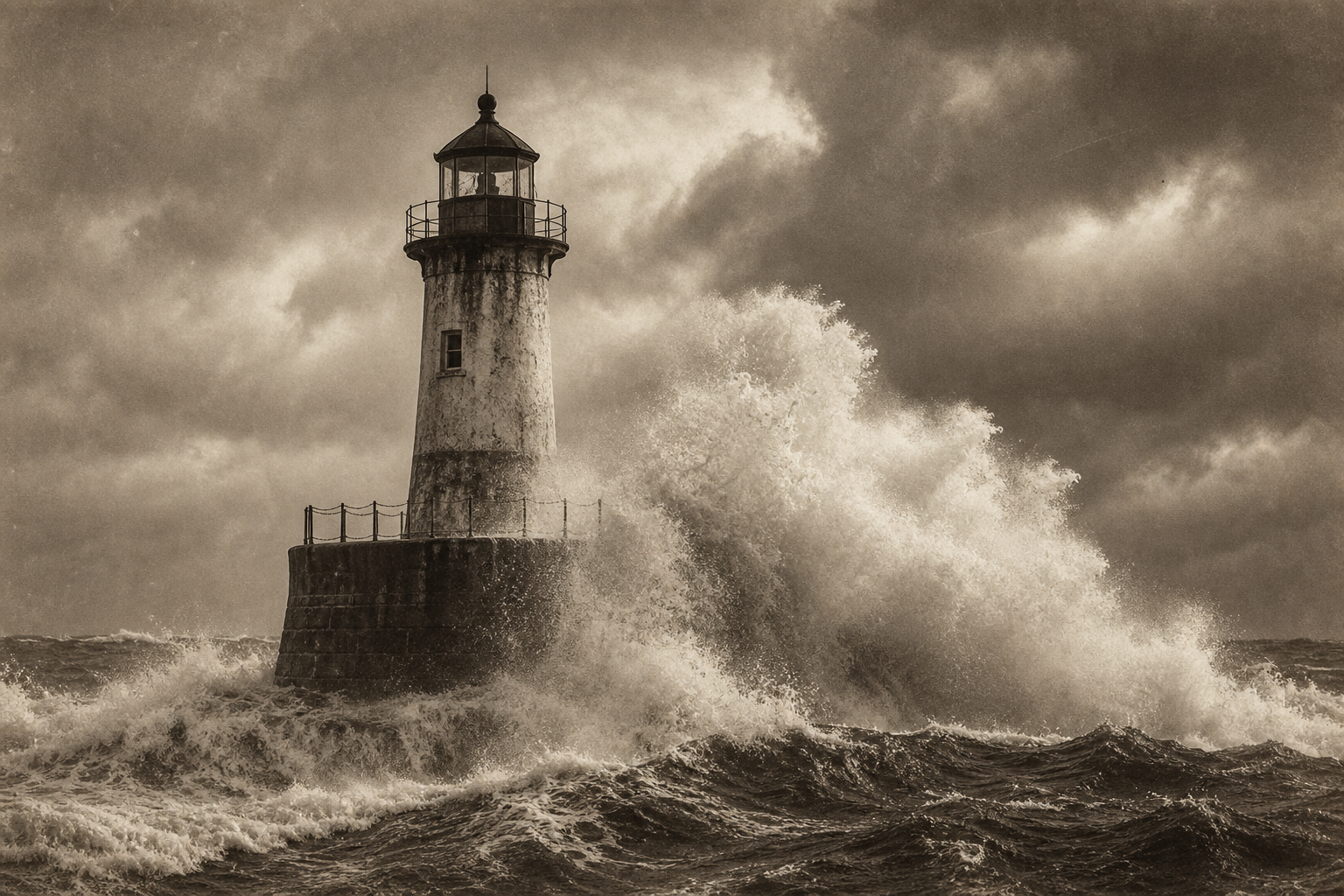
Spray breaks across the lower wall as the tower holds a fixed beam through heavy weather.
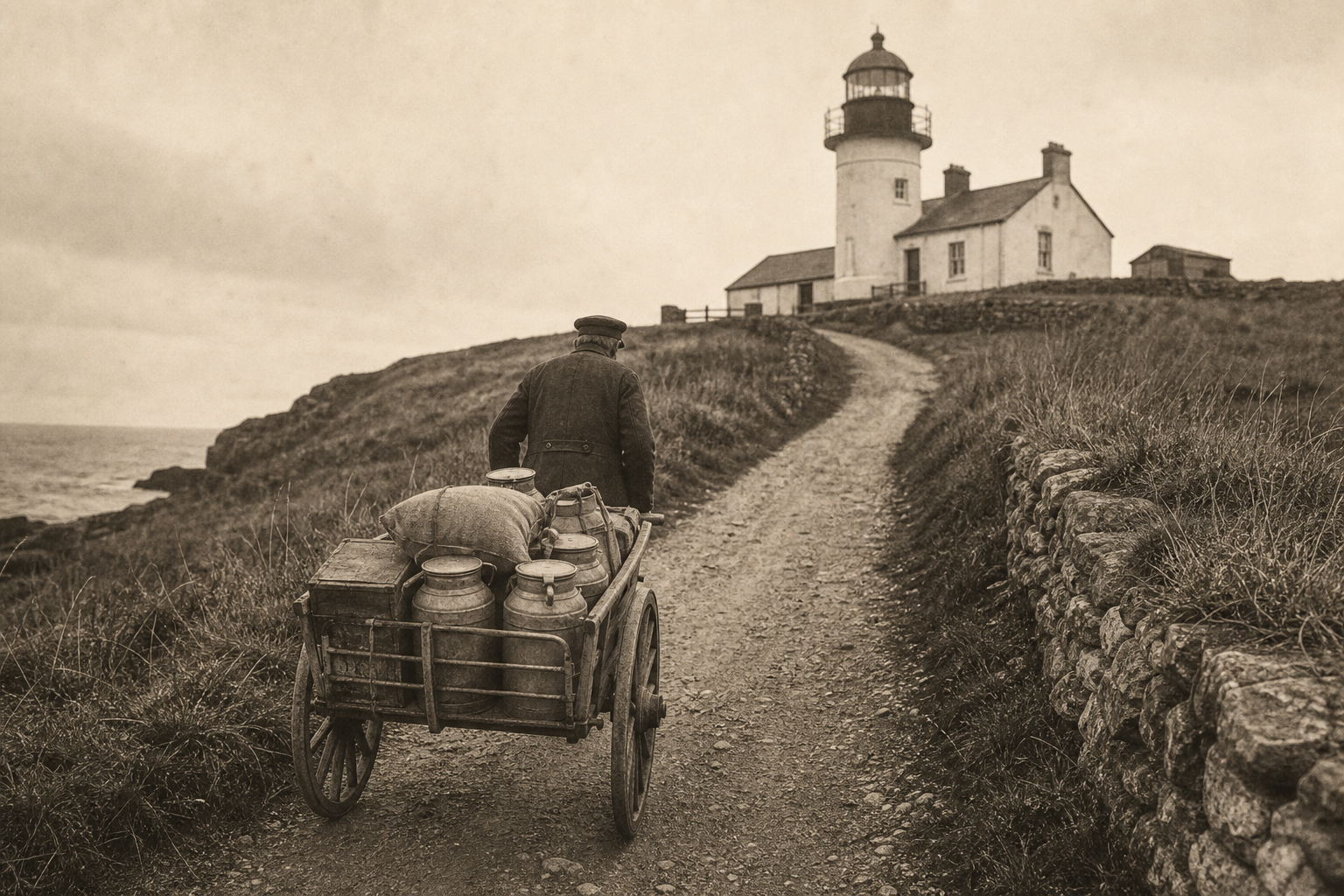
A hand cart climbs the gravel track with oil tins, coal sacks, and post for the keeper’s house.
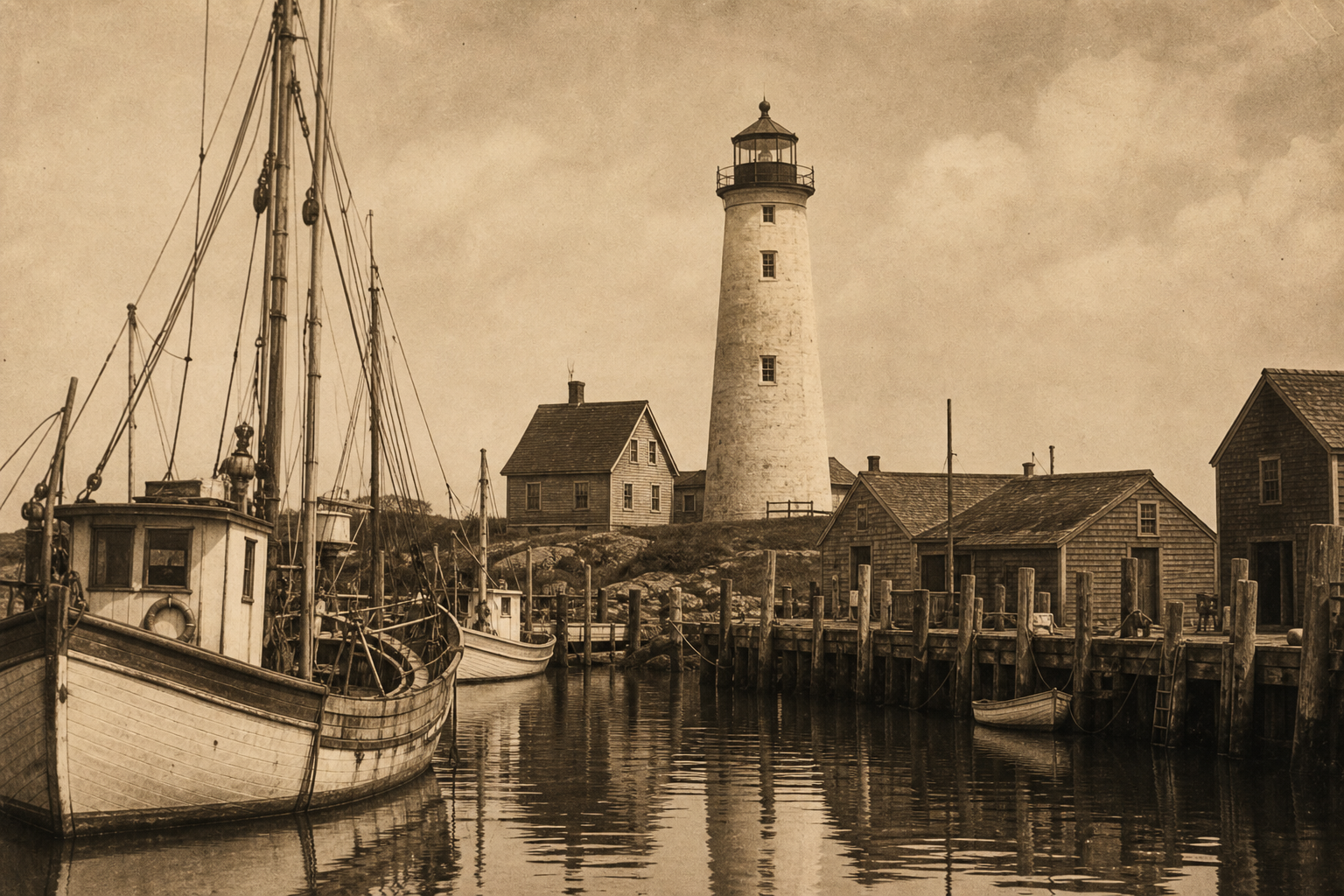
Seen beyond moored boats, the restored masonry tower marks the harbor mouth as working memory.
Keeper voices
Brief field notes from northern stations, where routine and weather shaped every night watch.
Isolation
When sleet cracked the outer pane in 1912, Keeper Nils Harrow warmed wax over the coal stove and sealed the seam by hand before dawn traffic crossed the reef channel.
Routine
At North Shoal, the assistant rang one brass bell at 4:30 each morning, the signal to trim wicks, record fog, and start the first weather line in the logbook.
Weather
During a seven-day fog in 1926, keepers at Gull Reach climbed the tower every hour to clear salt film from the lens so the beam would not dull over open water.
Station
Supply launches could not dock in January swell, so mail and lamp oil reached Stone Bar Light by a two-person dory, rowed in short intervals between wave sets.
Preserved Towers Reference
A visual orientation panel and quick status index for preserved lighthouse towers along the coast sequence.
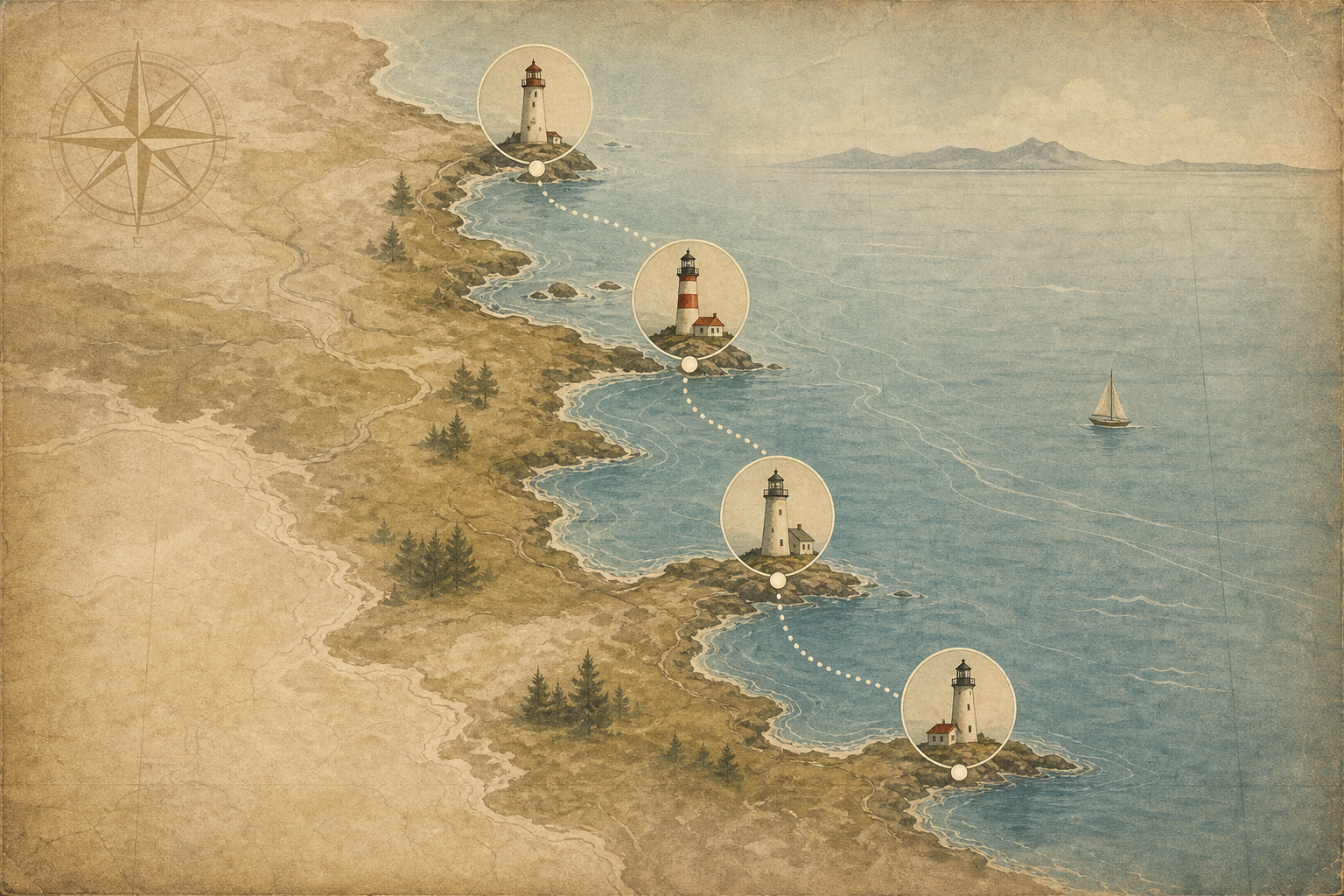
Orientation visual only — sequence emphasizes coastal relation, not exact navigation scale.
Visiting notes
A brief reference for common questions on access, preservation, and coastal conditions along the northern coast.